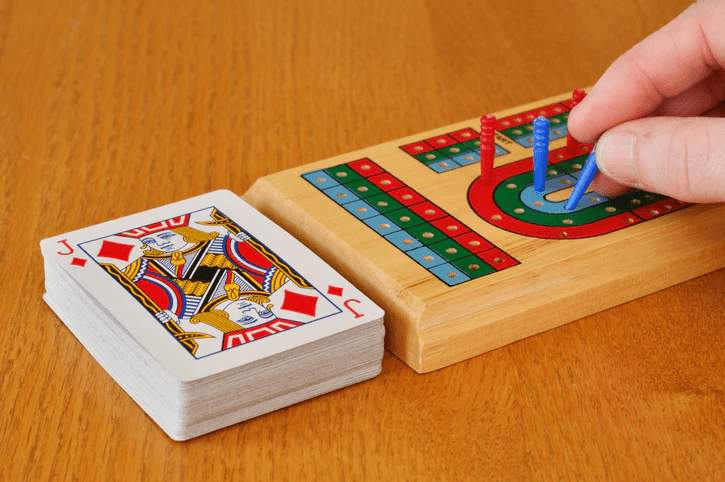
Cribbage is a classic card game with a rich Freecreditmalaysia99 history that dates back to the 17th century. It’s known for its combination of strategy, skill, and luck, and has remained a popular pastime for card enthusiasts around the world. While it may seem a bit intimidating at first due to its unique scoring system and the need for quick mental math, once you get the hang of it, Cribbage is incredibly enjoyable and rewarding.
Whether you’re a complete beginner or someone who has played a few hands but wants to understand the game better, this guide will walk you through the basic rules, the setup, and essential strategies to help you get started with Cribbage.
What Is Cribbage?
Cribbage is a two-player (or sometimes four-player) card game that involves both forming combinations of cards and keeping track of points on a special cribbage board. The game is known for its distinctive scoring system, which includes combinations like pairs, runs, and flushes. Points are accumulated throughout the game based on these combinations, and the first player to reach a certain score—usually 121 points—wins the game.
Cribbage Setup
To get started with Cribbage, you’ll need a few key things:
Players: Cribbage is traditionally played between two players, but it can also be played with four players in teams of two.
Deck of Cards: Cribbage is played with a standard 52-card deck. The suits of the cards do not matter in Cribbage, only the values of the cards.
Cribbage Board: The Cribbage board is used to keep score. It has a series of pegs and holes that represent the players’ scores. Players move their pegs forward as they accumulate points. There are typically 121 holes on the board, and players aim to be the first to reach the final hole.
The Basic Rules of Cribbage
Now that you have the setup in place, let’s walk through the basic rules of Cribbage.
- Dealing the Cards
The dealer is chosen at random, and the dealer alternates between the two players throughout the game. The dealer shuffles the deck and deals six cards to each player. After receiving the cards, players must then discard two cards each, creating a separate pile called the “crib.” The crib is an additional hand that belongs to the dealer, and it will be scored at the end of the round. - The Starter Card
After the crib is set aside, the non-dealer cuts the deck, and the dealer reveals the starter card. This card is placed face-up on the table, and it’s an important part of scoring during the round. - Playing the Cards (The Play Phase)
Once the cards are dealt and the starter card is revealed, the players begin the play phase. The objective during this phase is to play cards in such a way that creates valuable combinations and earns points.
Players take turns playing one card at a time, announcing the running total of the cards played (starting at zero).
The goal is to create combinations that score points, such as pairs, runs, or reaching a total of 15.
Some key rules to remember during the play phase:
You cannot play a card that would cause the running total to exceed 31. If you cannot play, you must say “Go” and pass your turn to the opponent.
If the running total reaches exactly 31, the player who plays the card earns 2 points.
At any point, if a player creates a pair (two cards of the same rank), a run (three or more consecutive cards), or a fifteen (a combination of cards that total 15), they earn points.
- Scoring the Hand (The Show Phase)
After all cards have been played and the play phase is complete, players score their hands, which include:
The four cards in their hand (after discarding two to the crib).
The starter card.
Here are the ways you can score during the show phase:
Fifteen (15): Any combination of cards that adds up to 15 (including the starter card) earns 2 points.
Nobs: If you have a Jack that matches the suit of the starter card, you earn 1 point.
- Scoring the Crib
After each player has scored their own hand, the dealer scores the crib. The crib is made up of the two cards discarded by each player, as well as the starter card. The same scoring rules apply to the crib as to the hands, but remember that the crib only belongs to the dealer.
Total Points for Your Hand: 6 points.
Winning the Game
The game continues with players alternating as dealer until one player reaches 121 points, which is the standard winning score. Points are tracked on the Cribbage board by moving the pegs. When a player reaches 121 points, they win the game.
Cribbage Strategies for Beginners
While Cribbage involves an element of luck due to the card draw, it’s also a game of skill. Here are some strategies that can help you play smarter:
- Discard Wisely to the Crib
Since the crib belongs to the dealer, it’s important to discard cards that are less likely to form valuable combinations. Try to discard cards that don’t work well together (such as non-sequential or non-matching cards), and avoid discarding cards that could form a 15 or a run in the crib. - Keep Track of What’s Played
Pay attention to the cards your opponent is playing, especially the face-up cards, because this gives you clues about their hand. This can help you decide whether to play a certain card or whether to risk going for a 31. - Maximize Your Runs and Fifteens
Look for opportunities to create runs and 15s. For example, keeping cards like 5, 6, 7, and 8 together can lead to multiple runs and 15s. Always keep an eye on combinations that might add up to 15 or form a straight sequence. - Don’t Hold onto High Cards Too Long
High cards like Kings, Queens, and Jacks are difficult to pair and don’t often help you score in the hand unless they contribute to a run or flush. If possible, try to discard them early, especially if you’re not the dealer.
Conclusion
Cribbage is an engaging and rewarding card game that combines luck, strategy, and skill. It’s relatively easy to learn but offers plenty of depth for players to explore. By mastering the basic rules, understanding the scoring system, and incorporating some simple strategies, you’ll be well on your way to becoming a Cribbage expert.
 Site Title
Leave a comment